Simulation on Trial: In Silico Evidence and the Next Generation of Regulatory Science
Medical device innovation remains constrained by the cost, duration, and ethical limits of conventional clinical evidence generation. In silico technologies — computational modelling and simulation, virtual patient cohorts, and digital twins — offer a complementary route, allowing devices to be evaluated across populations that are difficult, slow, or impossible to recruit in vivo. This keynote examines how such methods are maturing from research instruments into regulatory-grade evidence, and what it will take for the biomechanics community to lead that transition.
Drawing on cardiovascular and cerebrovascular exemplars, including an in silico trial of a neurovascular flow diversion device and transcatheter aortic valve implantation, I will illustrate how mechanistic modelling, image-based computing, and machine learning combine to produce credible, traceable evidence aligned with emerging regulatory expectations. I will then turn to the harder question of trust: how credibility is established, how uncertainty is communicated, and how computational evidence earns standing alongside bench and clinical data.
Central to this is the UK Centre of Excellence on In-Silico Regulatory Science and Innovation (UK CEiRSI), a pre-competitive collaboration convening regulators, industry, and academia. Through ten industry-led pilots spanning cardiovascular, orthopaedic, and respiratory devices, UK CEiRSI is co-creating the methods, governance, and shared confidence that next-generation regulatory science requires — anchored by the In Silico Regulatory Airlock, a safe, structured space in which regulators and innovators evaluate novel computational evidence together.
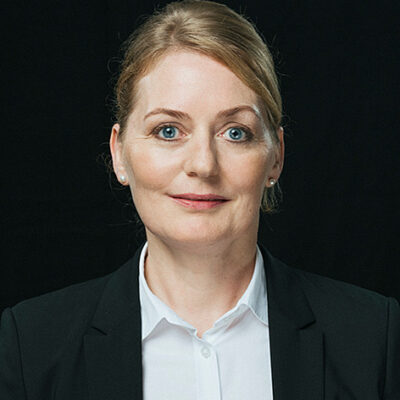
Biography: Alejandro (Alex) F Frangi is the Bicentenary Turing Chair in Computational Medicine at the University of Manchester, with joint appointments in the Schools of Engineering and Health Sciences, and a Royal Academy of Engineering Chair in Emerging Technologies. He is Executive Director of the UK Centre of Excellence on In Silico Regulatory Science and Innovation (UK CEiRSI, www.uk-ceirsi.org), a national programme spanning more than 85 institutions across industry, academia, government and regulators, advising the MHRA, HRA and NICE on computer-modelled evidence. He leads the Centre for Computational Imaging and Modelling in Medicine (CIMIM, www.cimim.org) at the University of Manchester.
His work unites model-based image computing, computational physiology and machine learning to advance in silico medicine — virtual patient cohorts, digital twins and in silico trials for medical device evaluation. He holds an ERC Advanced Grant, has published over 345 journal articles, and has co-founded three medtech spin-outs. He is a Fellow of the Royal Academy of Engineering, IEEE, SPIE, MICCAI, ELLIS and EAMBES, and received the IEEE EMBS Technical Achievement Award in 2021.
From Subject Specific Finite Element Models to Populations and Back Again
Orthopaedic devices must perform reliably across the wide range of anatomical and surgical variability encountered clinically. Finite element (FE) modelling has been used extensively to assess device performance through the simulation of relevant mechanical and biological processes. Historically, however, most studies relied on single subject-specific models and explored only a limited number of variables.
Advances in computing, modelling and automation have enabled the transition from individual models, through small cohorts, to populations. These approaches support more systematic investigation of anatomical and surgical variability and underpin the emerging use of virtual clinical trials to inform device design and reduce risk before clinical evaluation. However, the combined patient and surgical solution space remains too large for conventional FE analysis alone. This has driven the adoption of surrogate modelling approaches, ranging from artificial neural networks to more advanced machine-learning and deep-learning methods, capable of reducing solution times from minutes or hours to seconds and enabling efficient exploration of large multidimensional solution spaces.
These same techniques also provide a pathway back from population-level analysis to the individual patient. Computer-assisted surgery is increasingly being incorporated into orthopaedic practice, improving the precision with which surgical plans can be executed. Rapid evaluation of alternative strategies could enable planning to move beyond simply restoring anatomical alignment to consider the mechanical and biological factors associated with key modes of failure, ultimately enhancing patient-specific decision support.
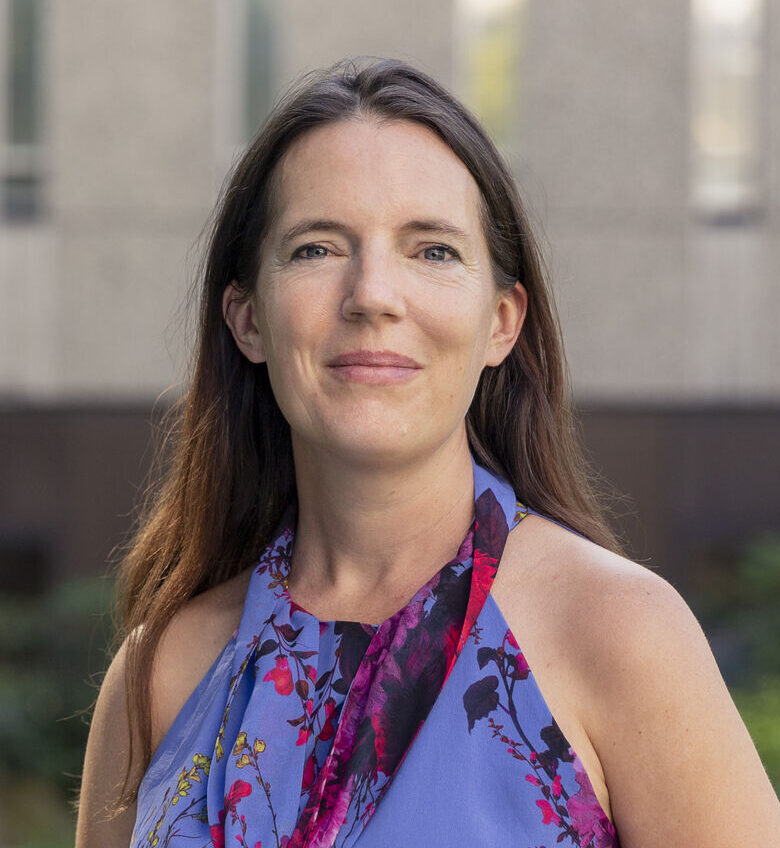
Biography: Mark Taylor is a Professor of Biomedical Engineering at Flinders University, Adelaide, Australia. He has over 30 years’ experience of computational biomechanics. His research focuses the development, validation and application of finite element and surrogate-modelling methods to evaluate orthopaedic devices, account for patient and surgical variability, and support virtual clinical trials and surgical planning. He has led major academic–industry collaborations in Australia, the United Kingdom and Europe, including longstanding partnerships with orthopaedic device manufacturers.
Articular Cartilage in Microgravity: From Terrestrial Models to Spaceflight
Human spaceflight is transitioning from short-duration missions in low Earth orbit toward increasingly prolonged missions and, ultimately, a sustained human presence on the Moon and Mars. This development raises fundamental questions regarding the long-term adaptation of human tissues to altered mechanical loading conditions.
The musculoskeletal system is particularly sensitive to changes in mechanical loading. Microgravity induces profound adaptations in bone, skeletal muscle, and connective tissue, highlighting the critical role of mechanical stimuli in maintaining tissue structure, function, and homeostasis. While the effects of microgravity on bone and muscle are relatively well characterized, considerably less is known about the adaptation of joint tissues to mechanical unloading.
Articular cartilage is of particular interest, as its integrity and homeostasis are closely regulated by mechanical loading and mechanobiological signaling. Altered loading during spaceflight may therefore affect chondrocyte function, extracellular matrix turnover, and cartilage homeostasis.
This presentation will provide an overview of current research on the effects of microgravity on joint health, integrating findings from astronaut studies with evidence from terrestrial models that simulate key aspects of microgravity. Particular emphasis will be placed on the mechanobiological response of articular cartilage to altered mechanical loading and its implications for joint health during long-duration spaceflight.
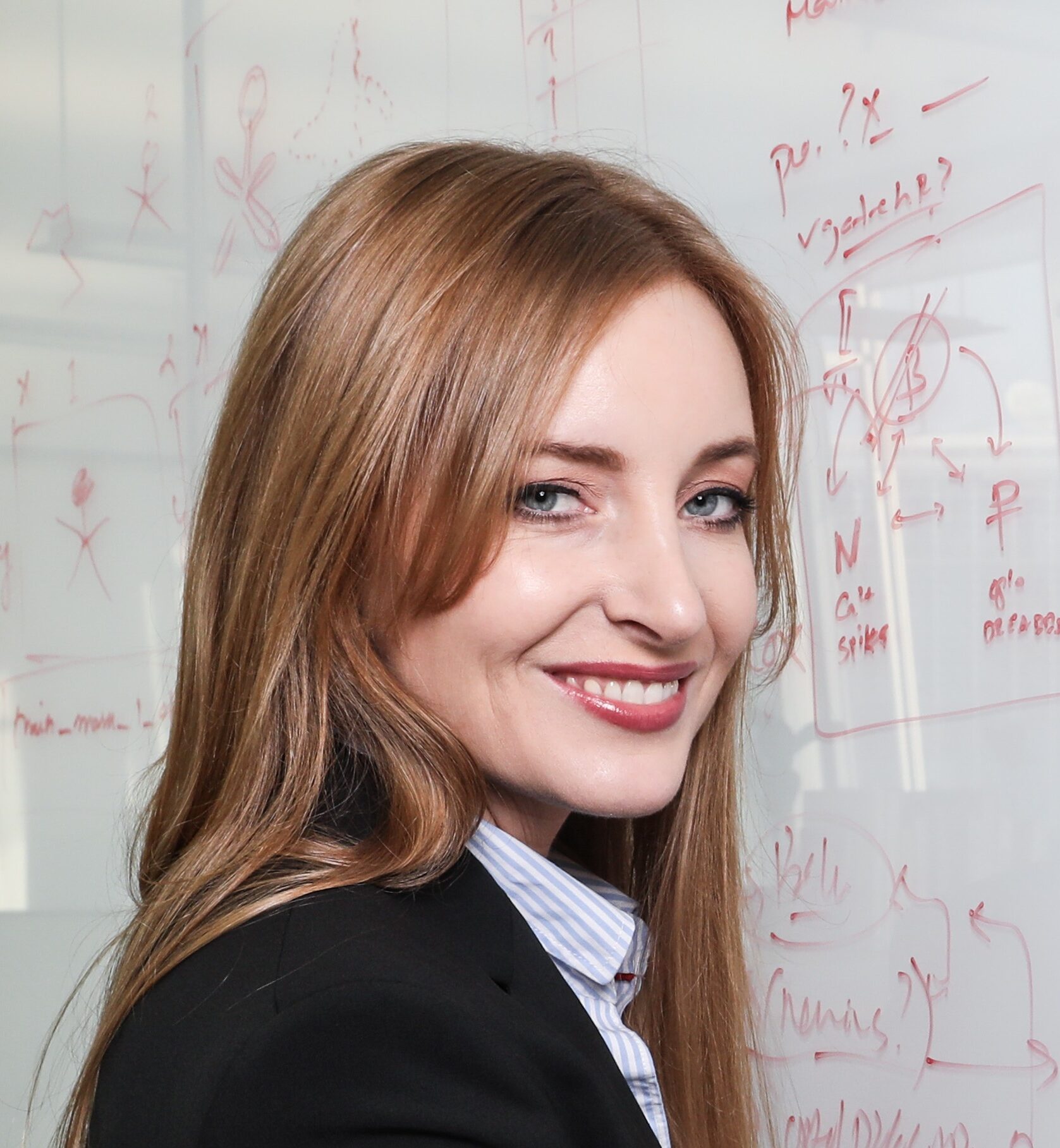
Biography: Prof. Dr. Anja Niehoff is Deputy Head of the Institute of Biomechanics and Orthopaedics at the German Sport University Cologne and heads the section “Tissue Biomechanics and Mechanobiology”. She is also Scientific Director of the Cologne Center for Musculoskeletal Biomechanics at the University Hospital Cologne, an interface between basic and clinical research with the purpose of pragmatic translational research. In March 2026, she has been elected President of the German Society for Biomechanics (DGfB).
Her research focuses on tissue biomechanics and mechanobiology, particularly the adaptation, remodeling, and degeneration of bone and cartilage. By studying the effects of mechanical loading and unloading from the cellular and molecular level to whole-body biomechanics, her work aims to understand the mechanisms underlying musculoskeletal health and disease, including osteoarthritis and osteoporosis. She investigates how components of the extracellular such as COMP and collagen IX, as well as actin-binding proteins such as plastin 3, contribute to tissue integrity and degeneration under physiological and altered mechanical conditions such as spaceflight. Overall, her research bridges biomechanics, molecular biology, and clinical relevance to advance the understanding, prevention, and treatment of musculoskeletal diseases.